
Vision
To be a centre of excellence in innovative research and conservation efforts for improved human health
Who we are
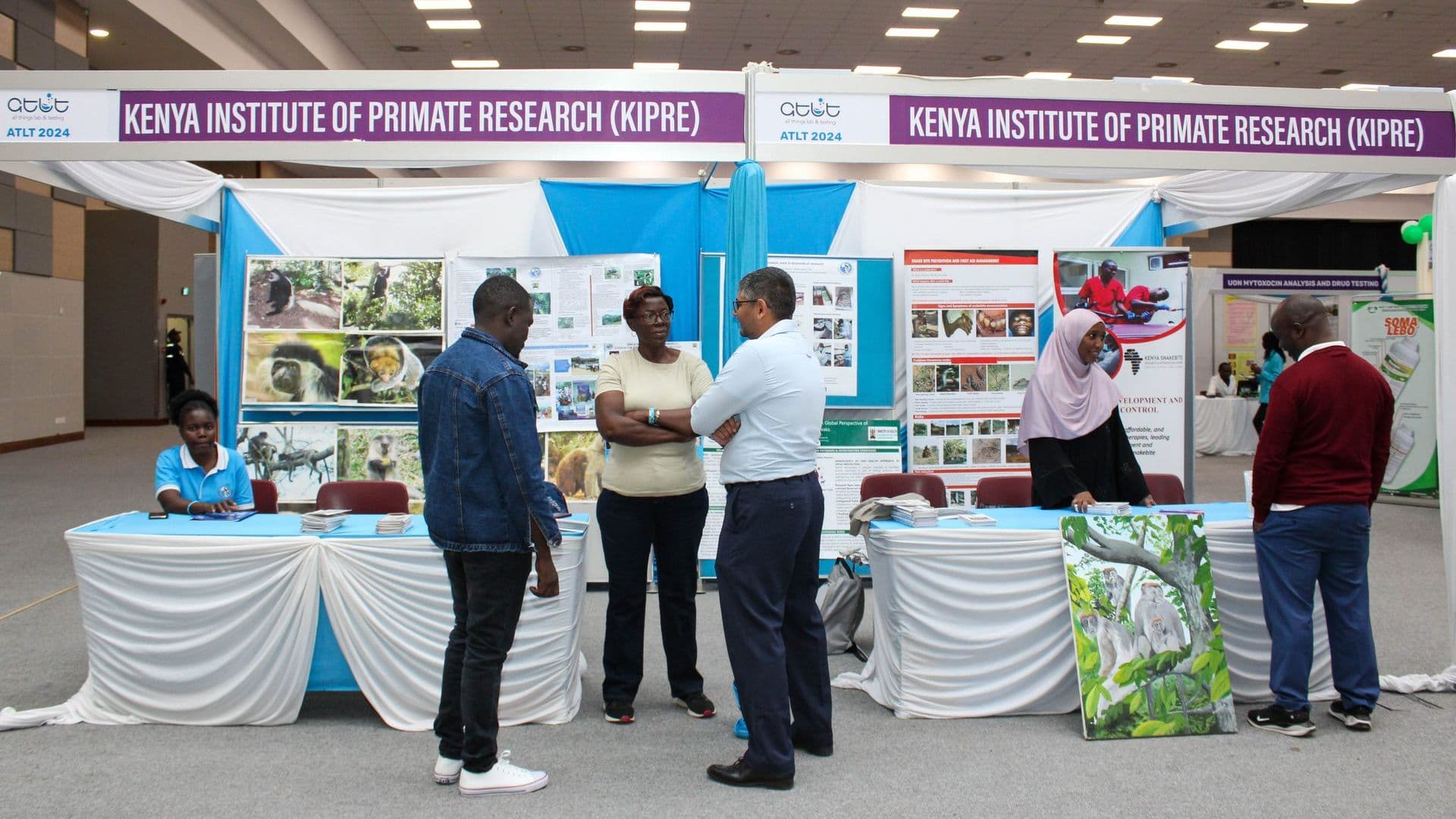
Kenya Institute of Primate Research (KIPRE) is a State Corporation established under Legal Notice No. 273 of 2017 as Kenya's national centre for biomedical and preclinical research using non-human primates and other experimental animals, developing health products and services that meet local and international standards.
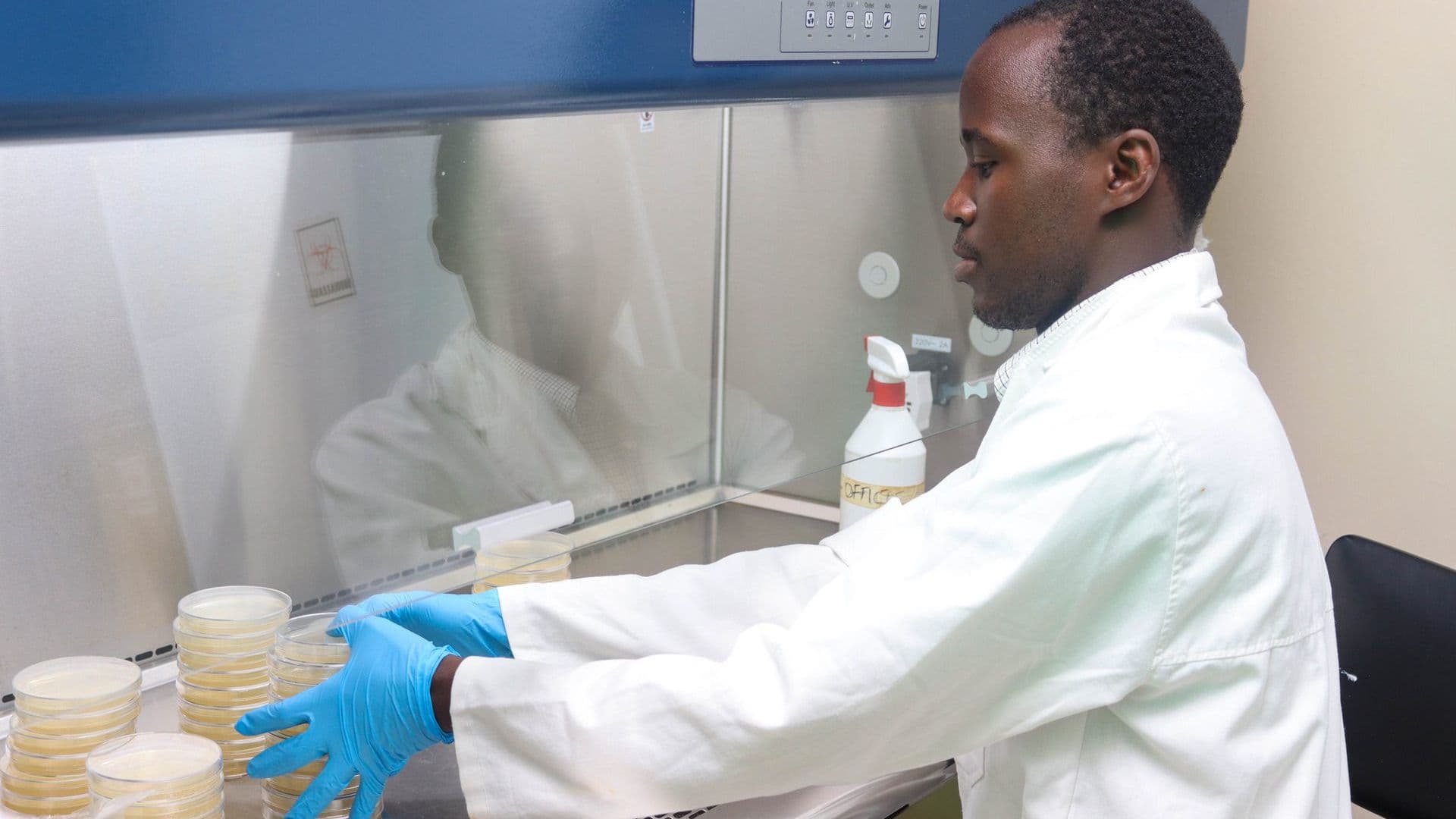
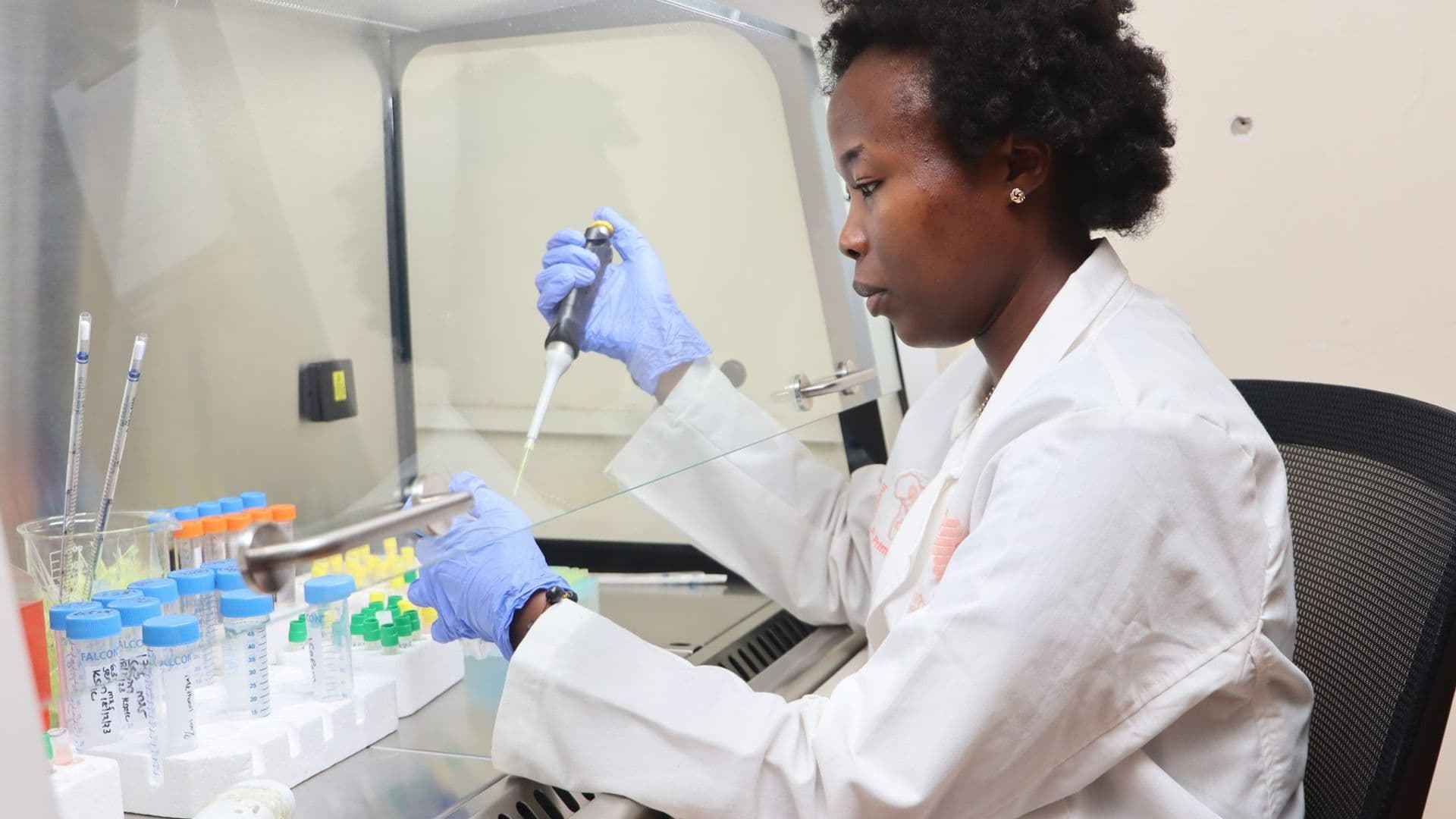
Our mandate covers the full research pipeline: basic, pre-clinical and translational studies, including reproductive health, infectious and non-communicable disease models for Kenya's priority diseases and Human African Trypanosomiasis, carried out through a national breeding colony of research animals, an incubation centre linking research to industry, and a national primate research database.
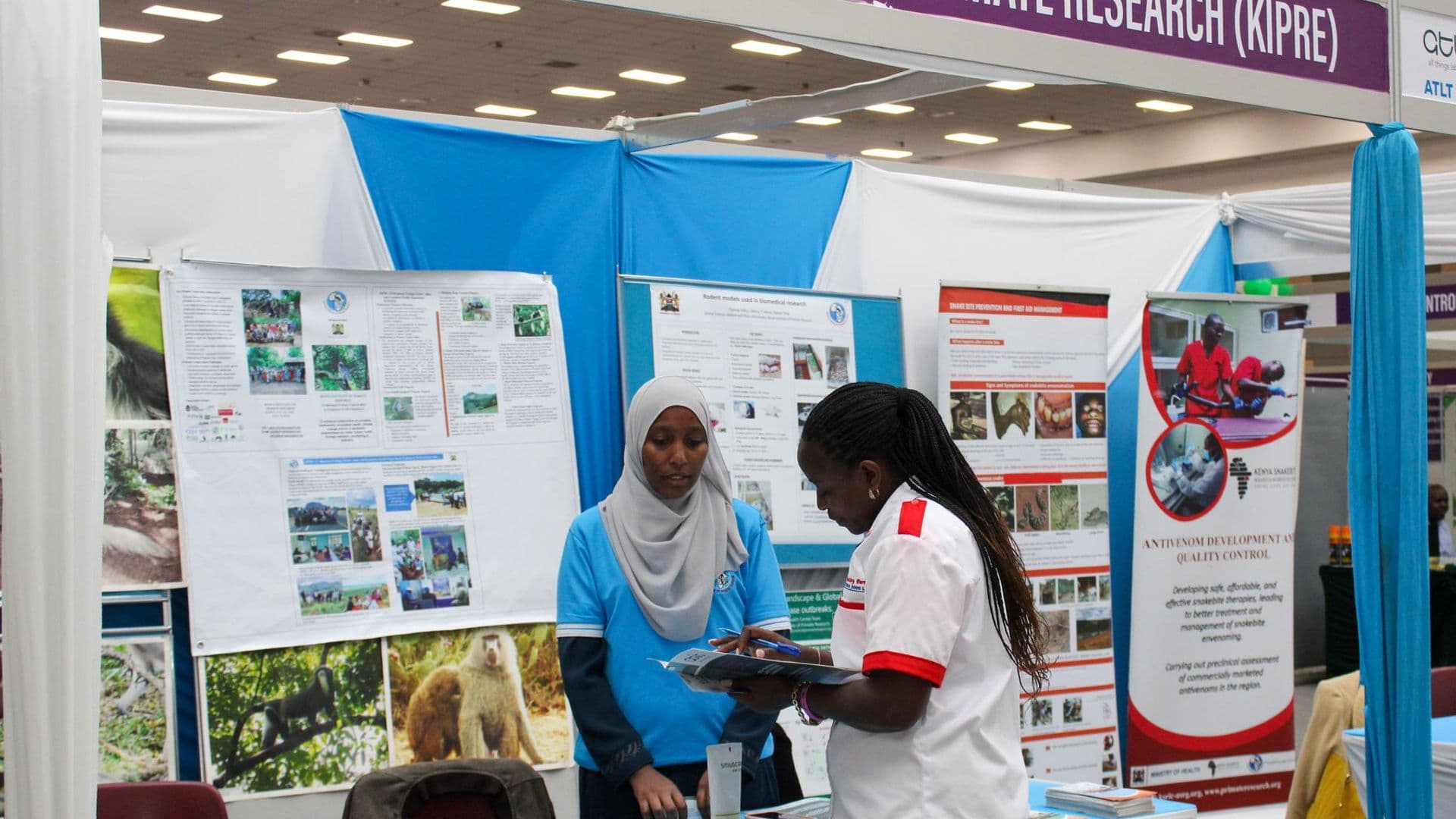
We also safeguard public health and biodiversity: running early warning systems for emerging and re-emerging diseases, hosting a national centre for venom and anti-venom research, providing in-vitro fertilisation services for Kenya's endangered wildlife, and advancing primate conservation biology, all underpinned by rigorous capacity building in animal welfare and the ethical care of research animals.
To be a centre of excellence in innovative research and conservation efforts for improved human health
To promote public health through innovative preclinical and biomedical Research, training and biodiversity conservation.
What we stand for
Wear comfortable outdoor clothing and suitable walking shoes. Depending on the weather and planned activities, visitors may also wish to carry rain protection and insect repellent.
Guided experiences may be available depending on arrangements and site operations. Visitors interested in a guided tour should contact the relevant site office in advance.
Visitors may access designated areas and facilities subject to KIPRE's visitor requirements, safety procedures and prior arrangements. Some research and animal facilities are restricted for safety, security, welfare and research integrity reasons.
Guided experiences may be available depending on arrangements and site operations. Visitors interested in a guided tour should contact the relevant site office in advance.
Yes. KIPRE welcomes research collaboration and partnerships with universities, research institutions, government agencies, development partners and other organisations, subject to applicable institutional and regulatory requirements.
Yes. KIPRE provides opportunities for students, interns, researchers and other professionals through appropriate research, laboratory, animal science and other institutional training programmes.
Yes. KIPRE has institutional scientific and ethical review committee(ISERC) approved and recognized by the National Commission for Science, Technology and Innovation (NACOSTI) that assess research proposals involving animals and human-related research activities, in accordance with applicable national requirements.
Yes. Families and children can enjoy the trail, provided they remain on designated paths, follow safety instructions and are supervised appropriately.
Visitors can experience indigenous forest, streams, a waterfall, natural caves, bamboo vegetation, birds, butterflies and other forest wildlife.
Animal research is conducted in accordance with established animal welfare, ethical and scientific standards. Research involving animals is subject to appropriate institutional review and regulatory requirements.
Absolutely.Visitors may use bicycles subject to the applicable cycling rules, designated routes and charges. Please check with the site before your visit for the current requirements.
Conducts research in areas including infectious diseases, non-communicable diseases, reproductive health, maternal and child health, genomics, vaccines, therapeutics and other biomedical research area
Yes. Bike riding is available at a fee and should be undertaken only in designated areas/routes and in accordance with the site's safety guidelines.
It is located in Karen, Nairobi, Kenya, Oloolua Forest within an environment that supports research, animal care, training and conservation activities.
Yes. Oloolua Nature Trail has a designated picnic area where visitors can relax and enjoy meals surrounded by nature. Visitors are expected to keep the area clean and dispose of waste responsibly.
Yes. Camping is available at designated camping areas. Visitors wishing to camp should comply with the site's camping guidelines and applicable charges.
The Kenya Institute of Primate Research (KIPRE) is a State Corporation mandated to undertake biomedical and preclinical research using non-human primates and other experimental animals, while supporting public health, training and biodiversity conservation.
The trail network comprises both 5 and 10 kilometres trails, offering an enjoyable outdoor experience for visitors of different interests and abilities.
Visitors can enjoy nature walks, bird watching, cycling, picnicking, camping and exploring the forest's natural features.
Oloolua Nature Trail is located within Oloolua Forest in Karen, Nairobi, providing visitors with an opportunity to enjoy nature, forest nature walks and outdoor recreation.
Partner with KIPRE
Join our mission to advance primate research and conservation.
Get Involved